
Food waste is not a burden, but a resource that can be utilised locally – particularly in rural areas, where composting is an environmental, economic and community solution all at once.

The management of biowaste in rural areas presents different challenges to that in large cities. In less populated settlements, the collection, transport and central treatment of organic waste is often costly and difficult to organise. A CORE – Composting in Rural Environments the project is seeking answers on how to utilise biowaste locally through home, community, school or regional composting solutions.

Who is it useful for?

The CORE is for those who want to treat bio-waste not as a problem to be hauled away, but as a resource that can be utilised locally.

  • For local authorities
    He gives good examples of how food waste can be managed more sustainably at a local, community or regional level.
  •  
  • To waste management service providers
    It helps to better see what composting models might work in rural, less populated areas.
  •  
  • For rural settlements and local communities
    It can be useful where central biowaste management is difficult to arrange, but home, institutional or community composting is a realistic option.
  •  
  • For schools and educational actors
    School composting is simultaneously an environmental education and practical waste reduction tool.
  •  
  • For civil organisations and community gardens
    Civil society organisations can act as important intermediaries between the public, local authorities and service providers.
  •  
  • For households and residential communities
    Composting is directly connected to everyday life: less mixed waste, utilised garden and kitchen organic matter, more conscious waste management.
  •  
  • For policymakers
    The project provides lessons on how composting can be made part of circular economy policies.

Why is this needed?

In rural areas, biowaste management can often be successfully addressed not as a logistical issue, but as an opportunity for local resource management.

In rural areas, biowaste management operates on a different logic than in large cities. In smaller settlements and low-population-density areas, waste collection and centralised treatment are often disproportionately costly. At the same time, organic material can be treated not as waste, but as a resource. Through composting, it can become a suitable material for soil improvement, the maintenance of green spaces, community gardens, or agricultural use. CORE focuses specifically on rural composting: on how to develop models that fit various regional conditions. For the Central Transdanubia and Lake Balaton region, this is important because composting is practically linked to nature and climate protection, resource efficiency, waste management, and the circular economy.

How does the project help?

Instead of trying to impose a single composting model on everyone, CORE is examining which solutions can work in different rural areas.

The aim of CORE is to improve the policy instruments that support bio-waste prevention, separate collection, composting and local utilisation. The project is built on four main elements:

  • exploring good rural composting practices;
  • international exchange of experience and policy learning;
  • involving local stakeholders;
  • integration of composting solutions into policy instruments.
In Hungary, the project is linked to the Development Programme for the Lake Balaton Priority Region. In the domestic work, special emphasis was given to smart composting, meaning the topic of smart composting, where traditional composting practices can be supported by digital, community, or organisational tools.

Practical application

The project becomes tangible when a settlement in the Balaton or Central Transdanubian region looks to it for a solution to its own green waste management issue.

Let us imagine a small settlement near Lake Balaton where a lot of garden green waste is generated, especially in spring and autumn. The municipality would like to reduce the amount of waste to be collected and utilise the resulting compost in public spaces, a school garden, or a community garden. In such a situation, CORE can provide international examples and practical lessons. It shows how community composting can work, what role school programmes can play, and how the local population can be engaged. Thus, composting can serve not only as a waste reduction tool, but also as an opportunity for community building, education, and regional development.

Our role

Within the CORE project, KDRIÜ helps ensure that international experience in decentralized composting becomes usable knowledge for stakeholders in the Lake Balaton region and Central Transdanubia.

As a Hungarian project partner, KDRIÜ connects international composting good practices with development thinking in the Lake Balaton region and Central Transdanubia. The Hungarian policy connection is the Development Programme for the Priority Region of Lake Balaton 2021–2027. Through this, KDRIÜ examines how local bio-waste utilisation, community composting, school composting and smart composting can feature more strongly. In the project, KDRIÜ involves domestic stakeholders, organises stakeholder meetings, and contributes to the utilisation of international experiences in Hungary. An important Hungarian result is komposztaljvelunk.hu creation and operation of the website, as well as practical experience related to the Veszprém community composters.

Partnership

The CORE project is being implemented by 9 partners from 8 European countries. The partnership brings together local and regional public authorities, waste management actors and professional networks.
Managing partner:

  • Municipal Solid Waste of Castilla La Mancha Ltd. RSUSA – Spain
Project partners:
  • LfU State Office for the Environment Brandenburg – Germany
  • VLACO npo – Belgium
  • Świętokrzyskie Region – Marshal Office of the Świętokrzyskie Voivodeship – Poland
  • Central Transdanubian Regional Innovation Agency – Hungary
  • Autonomous Province of Bolzano – Alto Adige, Environmental and Climate Protection Agency, Waste Management Office – Italy
  • Söderhamn Municipality – Sweden
  • Region of Western Macedonia – Directorate of Development Planning – Greece
  • European Compost Network ECN e.V. – Germany
Associated policy authorities:
  • Government of Castilla-La Mancha – General Directorate of Circular Economy – Spain
  • Ministry of Agriculture, Environment and Climate Protection Brandenburg – Germany
  • Public Waste Agency of Flanders (OVAM) Belgium
  • Lake Balaton Development Coordination Agency – Hungary

Are you interested in the project?

For further information, please visit the official project page or contact the project manager.

Official project page

Programme

Full project title

Status

Maturity period

Project
ID

Project participants
Dr Gabriella Baráth, lead project coordinator of KDRIÜ

Dr Gabriella Baráth

lead project coordinator

Gábor Kinizsi, communications manager of KDRIÜ

Gábor Kinizsi

communications manager

Results and related knowledge base materials

The results of CORE are truly useful when we think of composting not just as an environmental message, but as a practical and policy solution that can be applied locally. The results of CORE support the practical, policy-making and awareness-raising aspects of rural composting.
  • Collection of good practices
    18 good practices in the fields of rural composting, biowaste prevention, community composting, smart composting and resident engagement.
  •  
  • Project brochures and communication materials
    Short, accessible materials on the aims, key messages and results of CORE.
  •  
  • Project videos
    Video content for presenting the project and communicating composting experiences.
  •  
  • CORE e-magazines
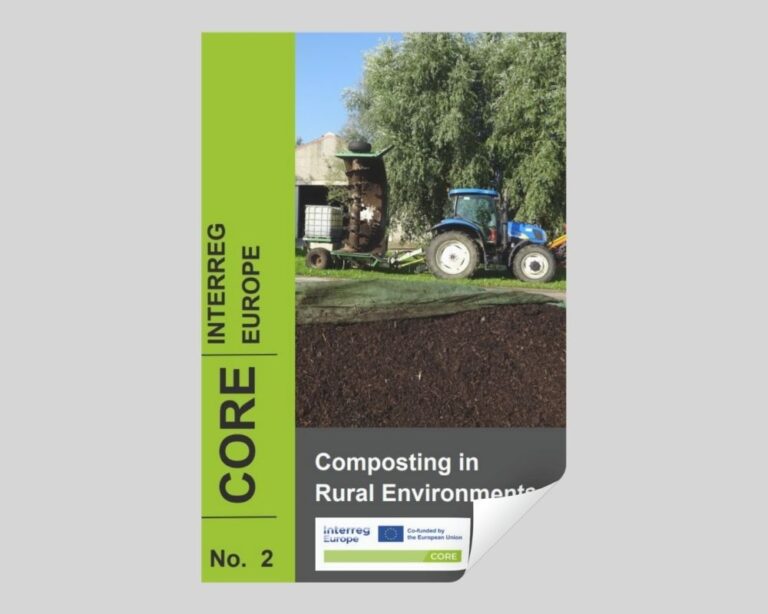
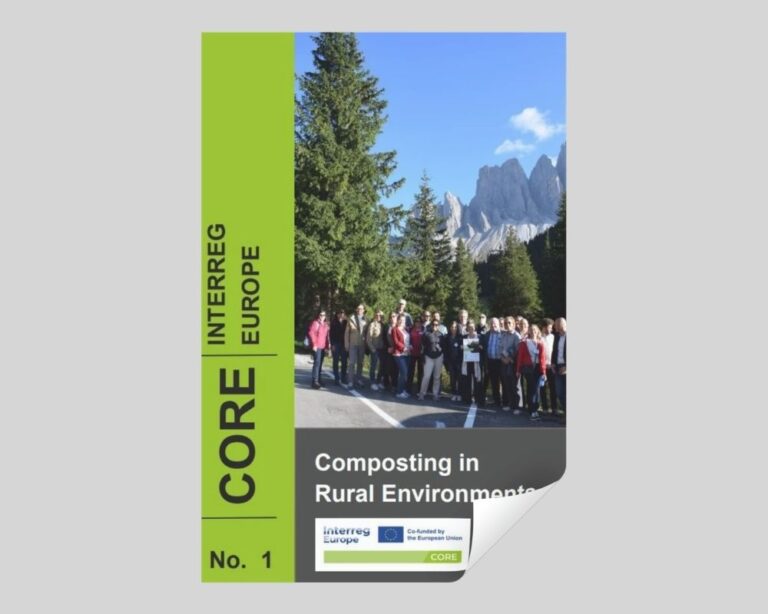
    Digital magazines on the exchange of experiences, good practices, and project progress.
  •  
  • Komposztaljvelunk.hu
    A Hungarian-language website created by KDRIÜ with practical and awareness-raising information about composting.
  •  
  • Policy lessons for the Lake Balaton region
    One of the domestic utilisation directions of the project is for composting to feature more strongly in the circular economy and waste management developments of the Lake Balaton region.

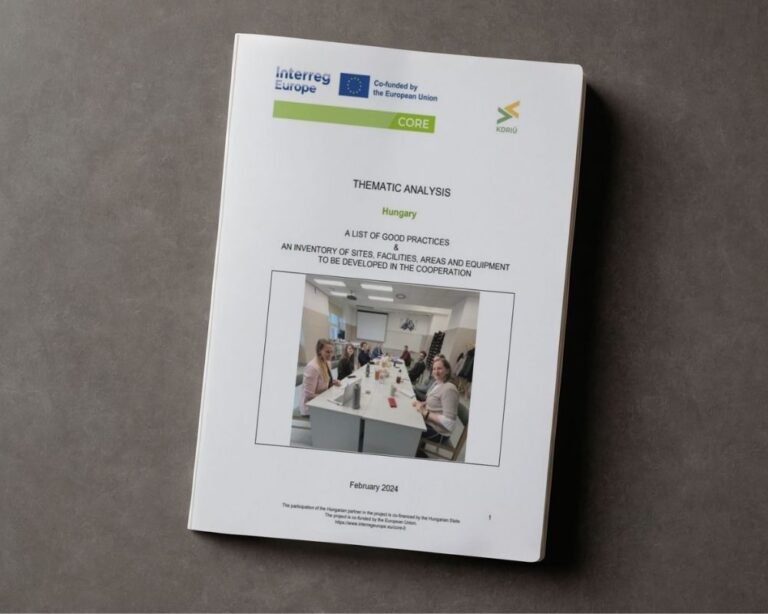
Thematic analysis – Hungary

List of Good Practices and locations to be developed within the framework of cooperation.
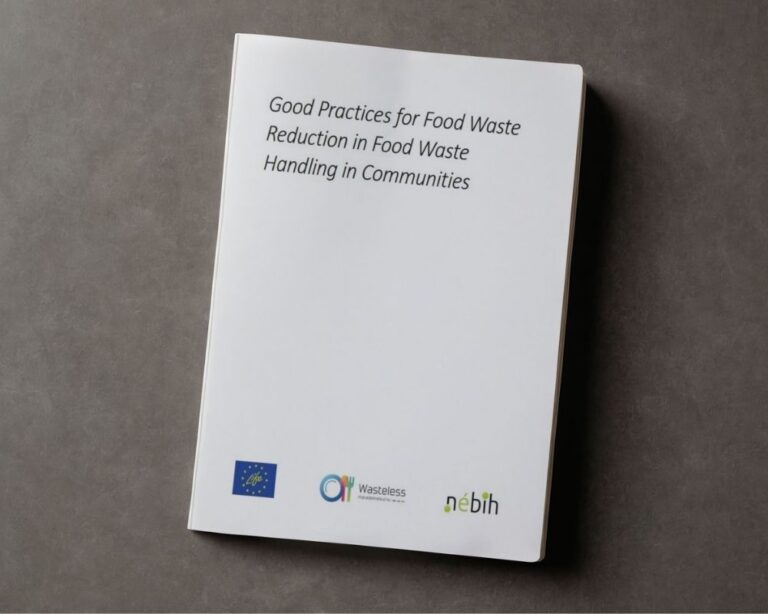
Compendium of Good Practices for Food Waste Prevention

Good practices for reducing food waste in community food waste management.
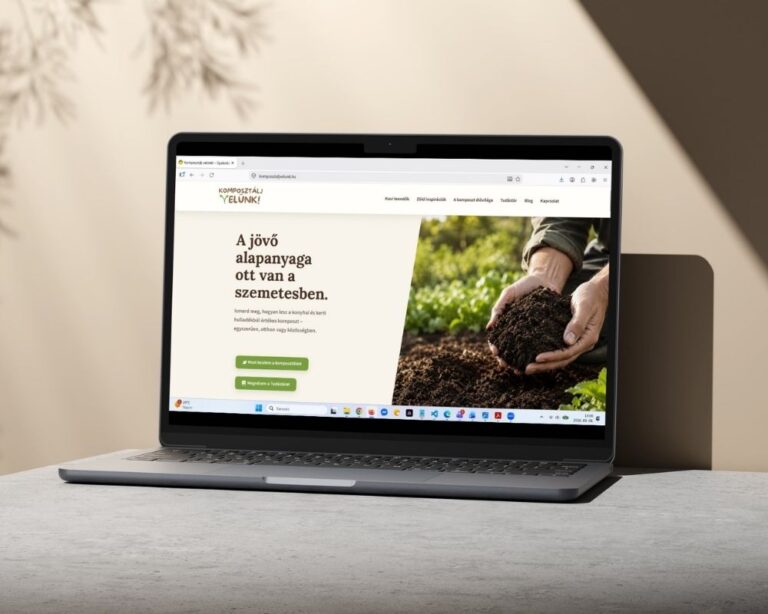
Compost with Us!

Web platform for promoting home composting.

Related communication content

CORE E-Magazine #2

The second issue of the CORE project's electronic magazine (September 2025).

CORE E-Magazine #1

The first issue of the CORE project's electronic magazine (March 2025).

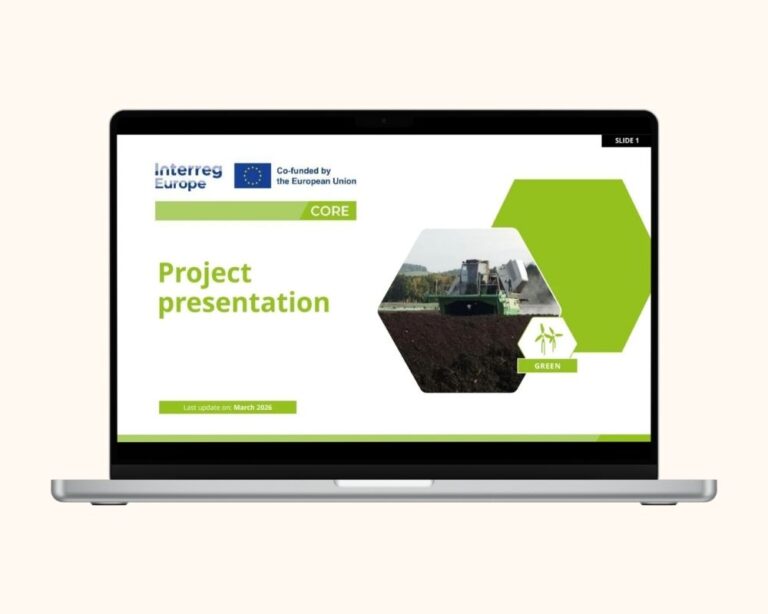
CORE project presentation

Presentation showcasing the results of the CORE project.

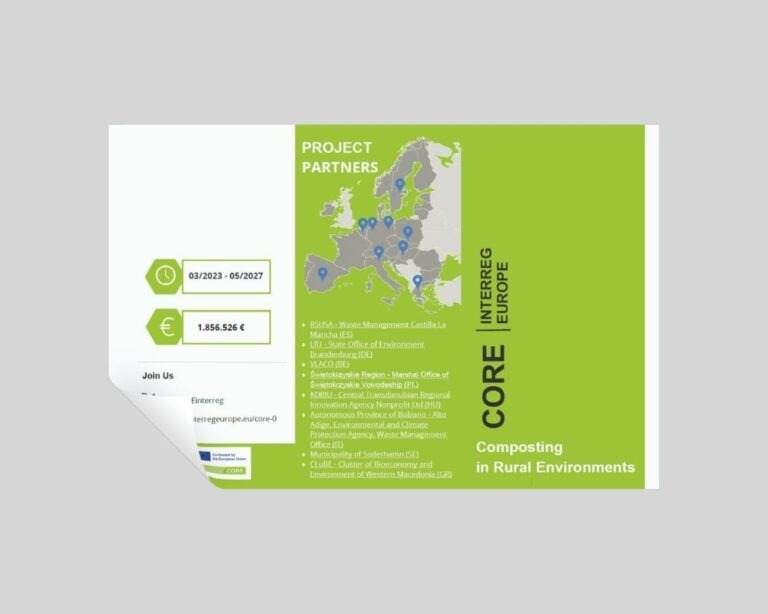
CORE project brochure

A brochure introducing the CORE project.

CORE project video #2

The CORE project summary video.