
In early March we spent 2 days around Ancona, the capital of the Marche region in Italy. Our visit took place within the framework of our international project dealing with reuse (2Lifes), where we looked at what new ideas our Italian colleagues have introduced into everyday life to promote reuse.
REUSABLE PLASTIC BOXES IN FISHING
The polystyrene plastic boxes previously used by fishermen quickly broke due to heavy use and ended up in the sea as waste. It was then that they decided to manufacture the new boxes from polypropylene, a stronger material, so they can be used over and over again. The project is currently in the testing phase, but the fishermen have been involved in the testing and are very active, ready to use the new boxes.
DIGITALISATION IN NATURE CONSERVATION
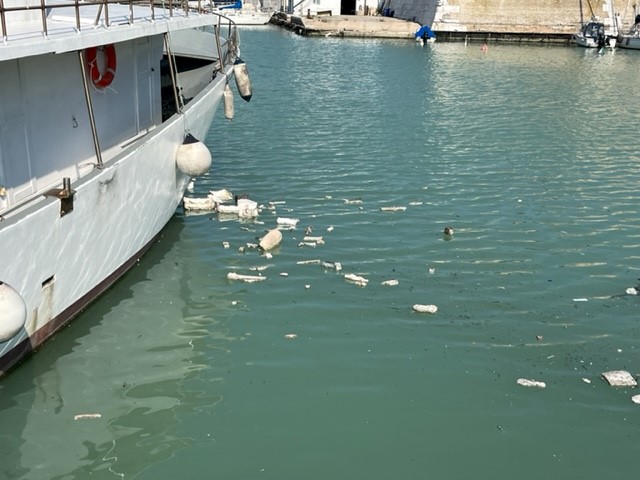
Regarding the region, our Italian colleagues told us that it is exemplary in two respects: nature conservation and community development. They have built a research vessel that examines water quality, searches for where the trash is in the sea, what kind of trash it is, what the water quality is like, how much plastic is in it (unfortunately, more and more), and whether the abundant waste entering the sea has an impact on wildlife. They also work with drones, which take photographs, map, and monitor the coastline and the water surface.
RECYCLING CENTRE MACERATED
In the small town of 40,000 residents, a reuse centre has been set up next to the recycling yard. Items dropped off at the yard by local residents are sorted by the staff, and anything that is still usable is taken to the REUSE centre, where it is catalogued using a software system that stores the items with their details and photos, and also allows users to search through them.
Restoration of Cultural and Architectural Heritage
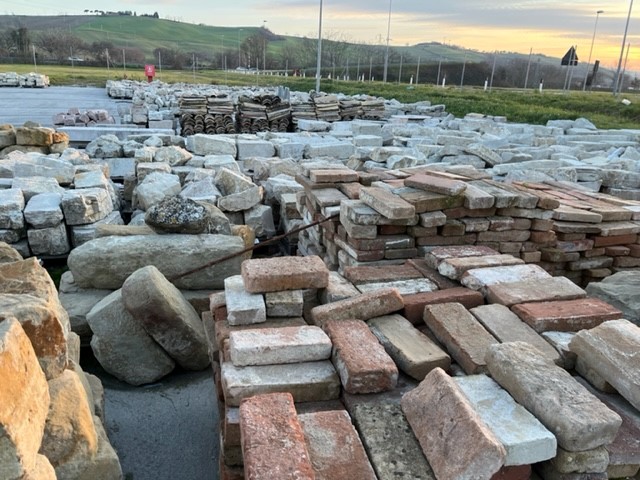
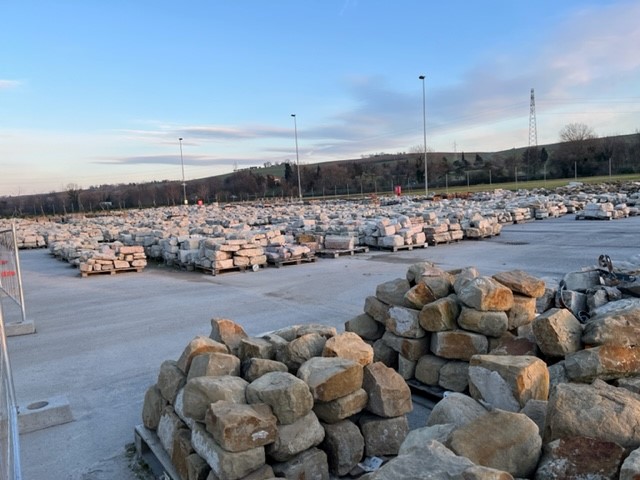
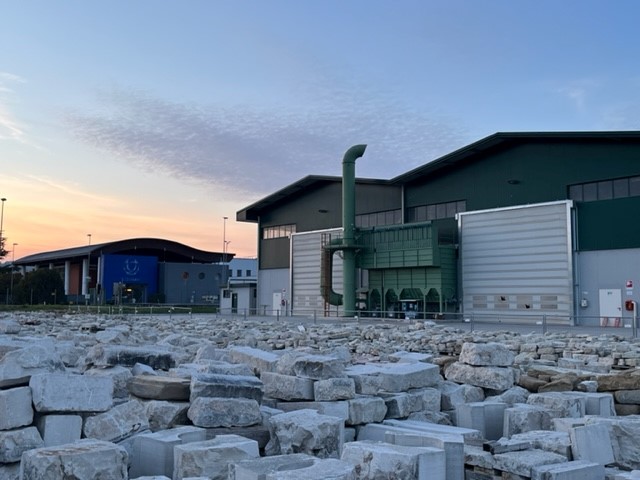
On the night of 24 August 2016, and subsequently on 26 and 30 October, devastating earthquakes shook central Italy. Of the affected regions, the Marche region suffered the greatest damage, with numerous old, listed buildings and churches collapsing. The regional decision-makers decided to try to restore most of the buildings, and therefore began systematically sorting and cataloguing the centuries-old building stones of the collapsed structures. The stones are transported to a site and arranged into groups along with all available information. There are remains of public buildings, schools, churches, and very different stones. They know where each pile comes from and they will take them back there to rebuild the buildings. The aim is therefore not for anyone to use this, but to enrich the cultural and architectural heritage from which it came.
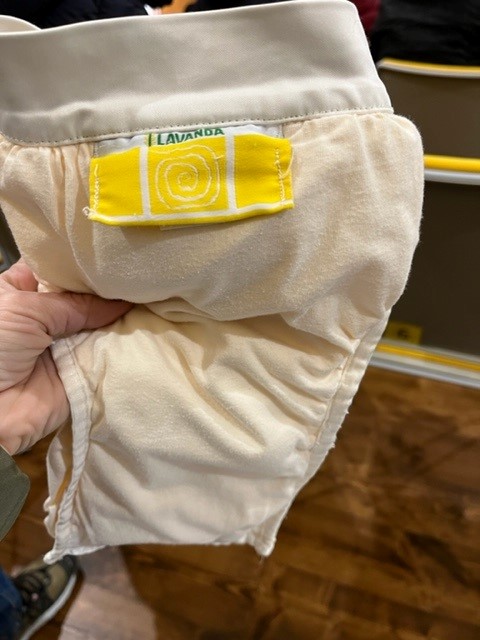
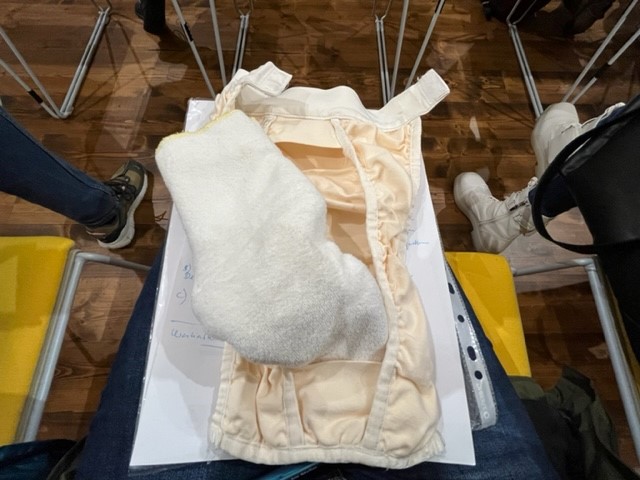
CLOTH NAPPIES IN NURSERIES
The decomposition time of a traditional disposable nappy is about 500 years, and we use roughly 1.3 tonnes of nappies per child by the time they are potty trained. A project involving 10 nurseries in the region is promoting the use of washable nappies. Through the project, 46 tonnes less waste will be generated in the area annually. The programme also encourages home use; the laundry is collected at drop-off points, and families participating in the project receive a tuition fee discount during their school years.
REUSABLE CUPS AND CARTONED MINERAL WATER IN THE BARS OF JESI
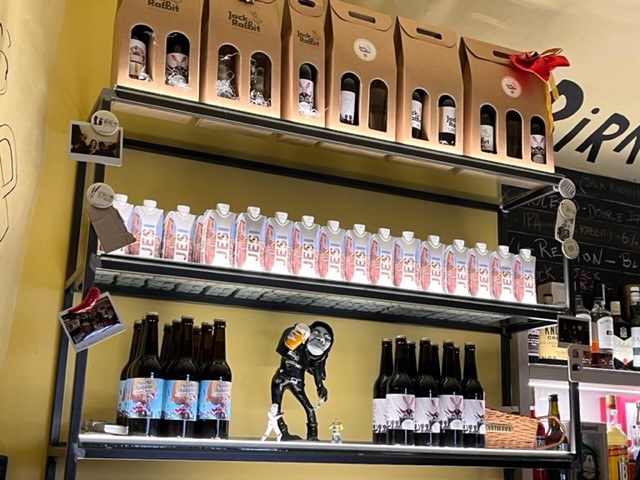
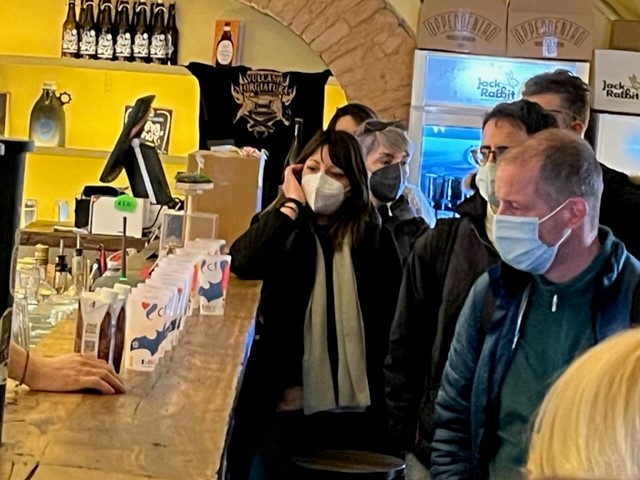
A reusable plastic cup, which has a fee of 1 euro and can be returned or exchanged at any participating bar, has been introduced in 15 bars in the city of Jesi. According to the hospitality venues, it very quickly became popular, with a huge number of people using and liking it. In addition, mineral water in paper cartons (Tetra Pak) has been introduced in the city, which has significantly reduced glass waste.
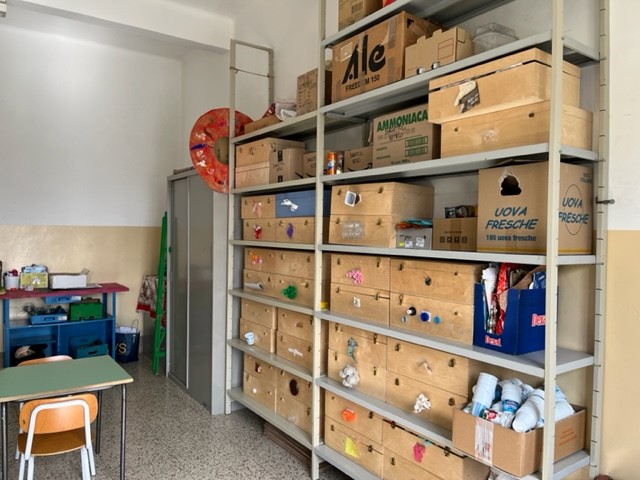
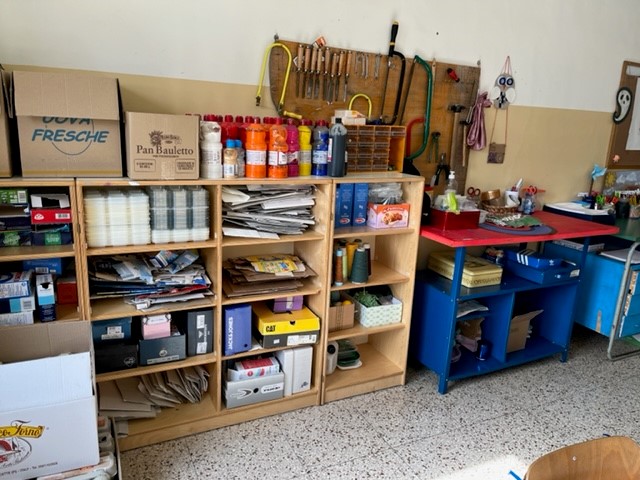
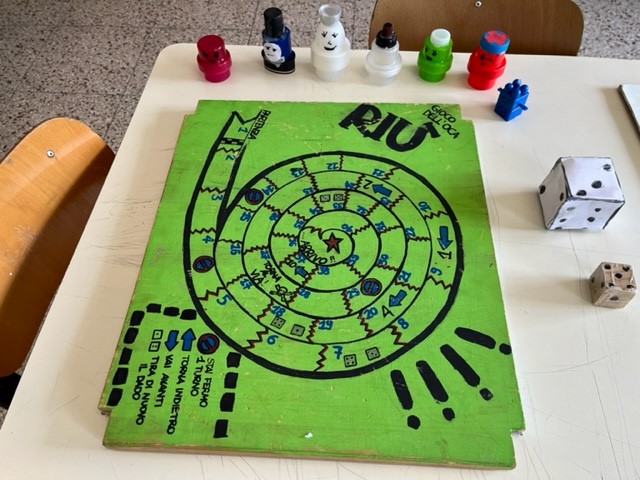
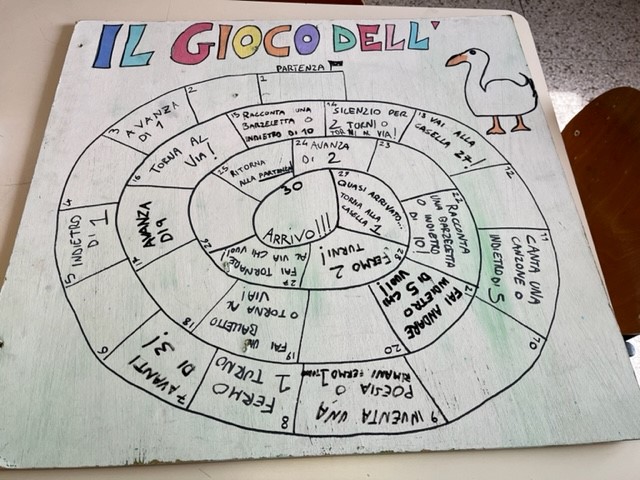
PLAYGROUND RIU – RE-USE workshops
There are a total of 5 such craft workshops promoting reuse in the region. They also offer school and after-school programmes for children. They leave it up to the children's creativity to decide what is made from the reusable materials.
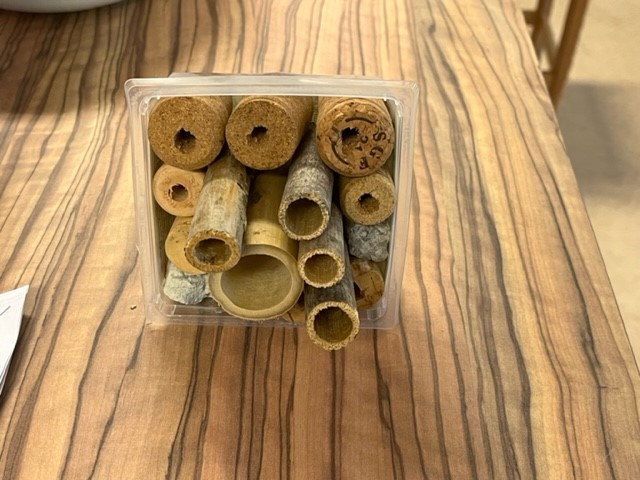
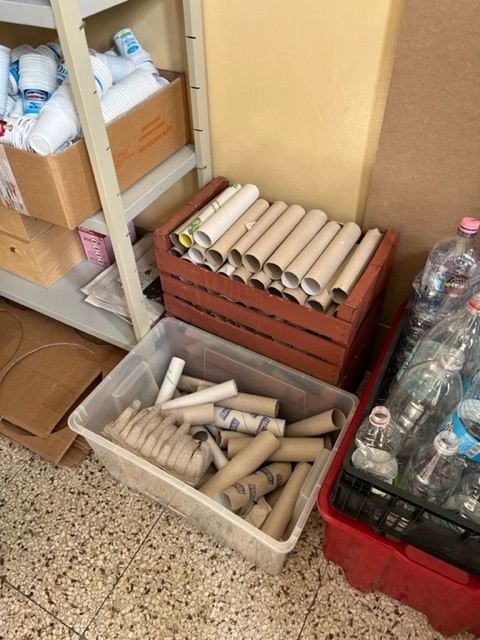
Educational teaching aids have been developed for three age groups (kindergarten, primary school, and 15–18 year olds). The usable materials are contributed by families (cork stoppers, bottle caps, plastic bottles, books, shoes, toilet paper rolls, buttons, etc.). The children love it and gain a very serious REUSE mindset. They were cheerful places with a really great vibe.