

At the beginning of November, our international reuse project (2Lifes, we visited Denmark, where we got to know the waste management around Aarhus during a three-day study trip.
Accompanied us on our journey were Verdant Sárrét Association, as well as the Veszprém Public Utility Services Private Company Limited by Shares. and so are his colleagues.
Within the programme, we got to know Aarhus's waste management concepts and discussed the issues of plastic use, reuse and recycling in detail. Right from the start, it was striking how much the local professionals love their work and how important they consider the way they convey their message to everyday people.
Around 3,500 residents were involved in the planning process and were asked what they wanted to see in the waste management plan. For them, the question is already how to effectively shift recycling towards reuse.
We have seen numerous innovative developments, among which the so-called stands out. „Repair Van”, meaning a repair minibus that cruises the city streets, helping local residents to fix their broken items with the help of volunteers in connection with various events.
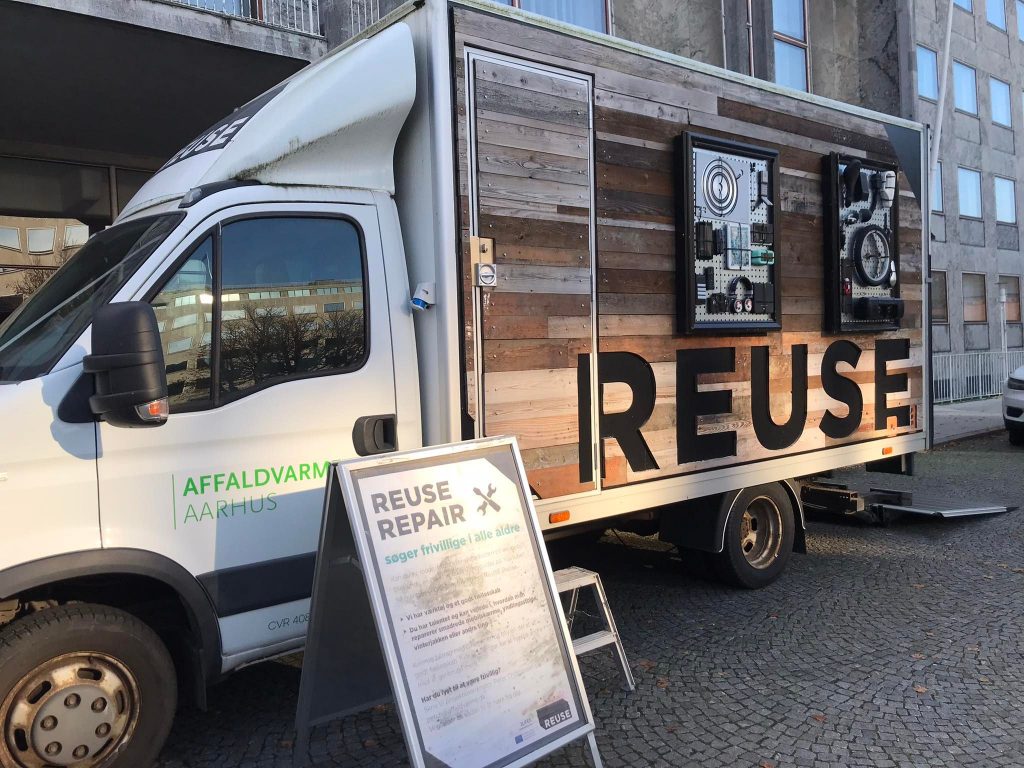
Repair Van, meaning Recovery Van
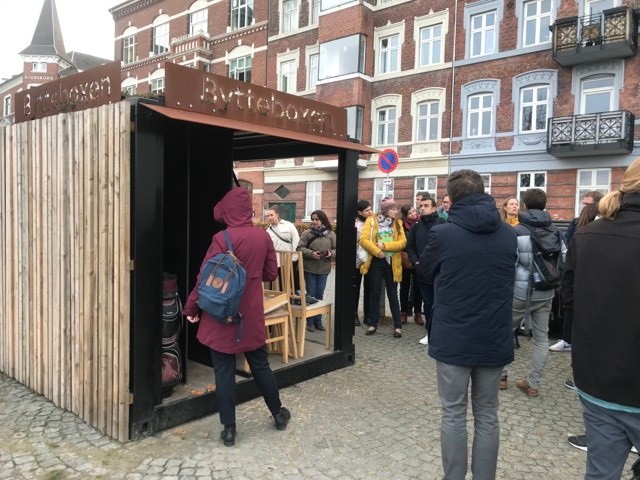
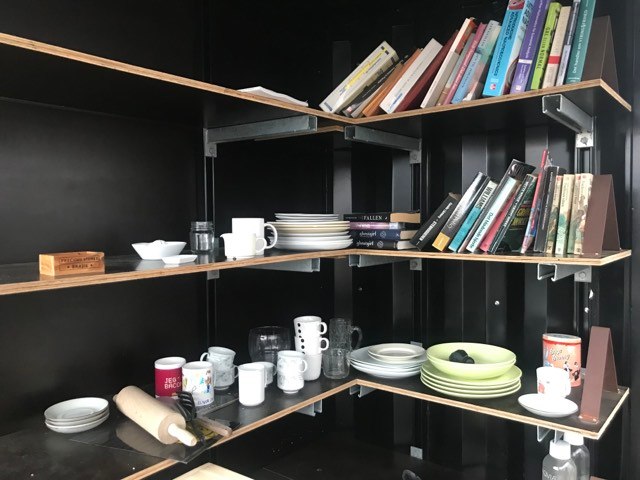
In addition, they created another one „Swap Box” mini swap and reuse mobile station called [name], which stays in each neighbourhood for 6 weeks. Residents really like and use it, as this allows many of their unused but still usable items to get a new lease of life with someone else.
We visited the to the local waste recycling centre and incinerator, which supplies the entire city with energy. Their method developed for the recycling and reuse of building materials deserves special mention. Among other things, they make aggregate from concrete and brick waste, which is later used for making road foundations. It is a fantastic statistic that in Denmark only 3-4% of municipal waste ends up in landfills, by comparison, this figure is around 70% in Hungary.
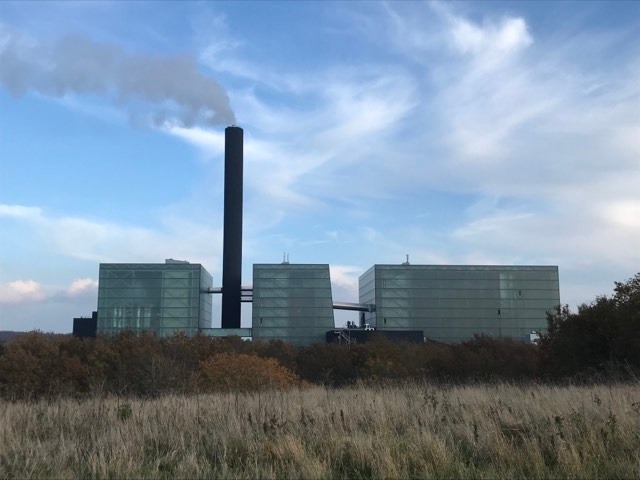
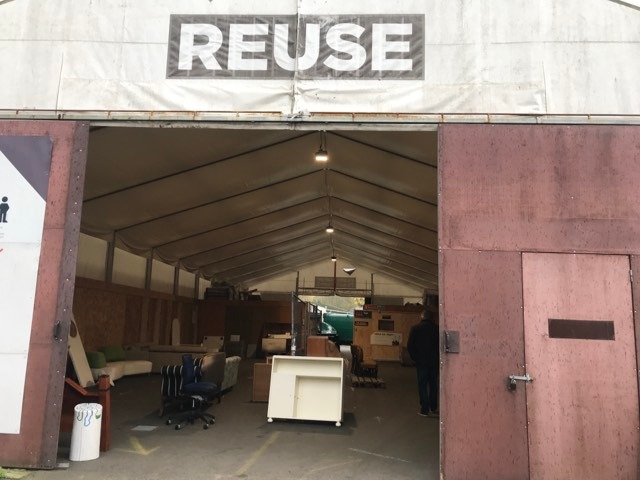
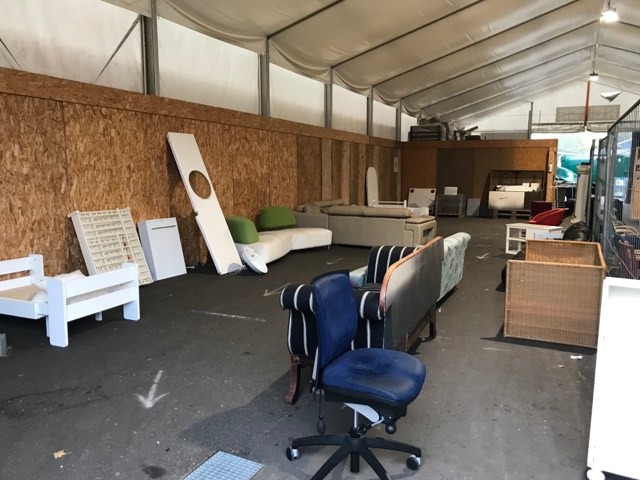
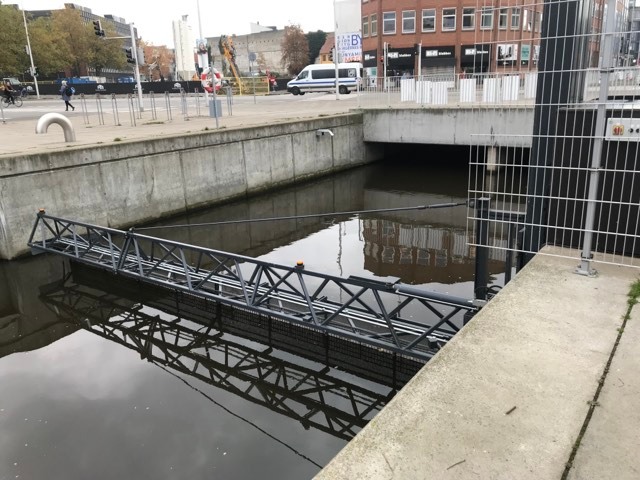
Important elements of local waste management also include the underground selective waste collection islands, the plastic waste collection grid on the town's canal, which catches PET bottles, and the soon-to-open recycling centre, which will welcome recyclable waste from local residents with 24/7 opening hours, naturally with free drop-off facilities.
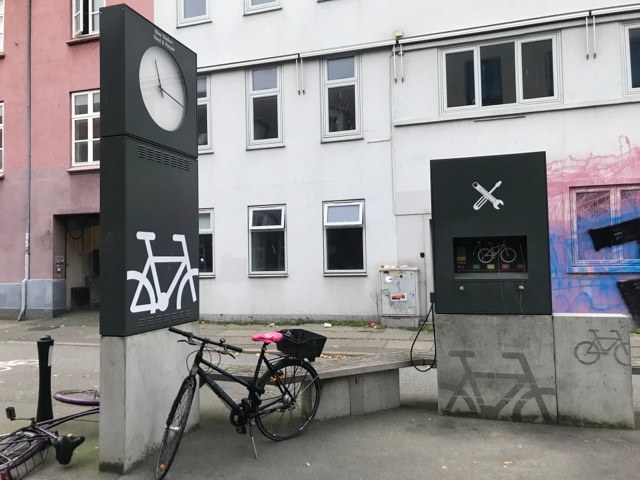
It was a very useful and informative study trip, and we hope that more and more of the solutions we have seen will also appear in domestic waste management. It won't be for the want of trying on our part! 😊