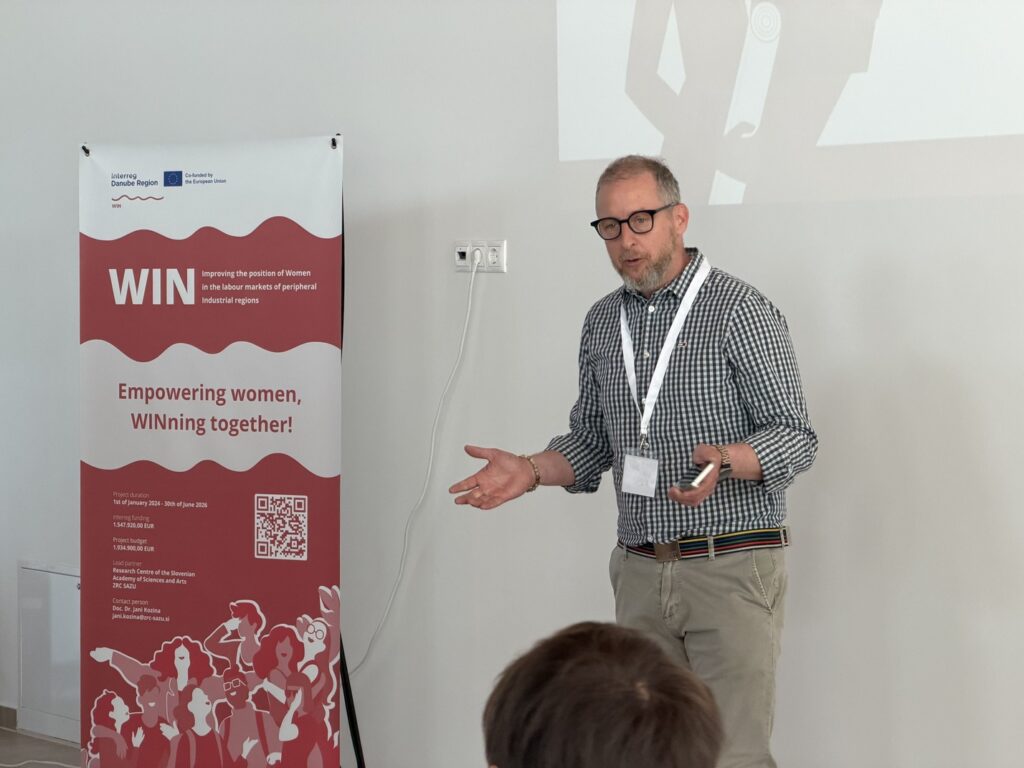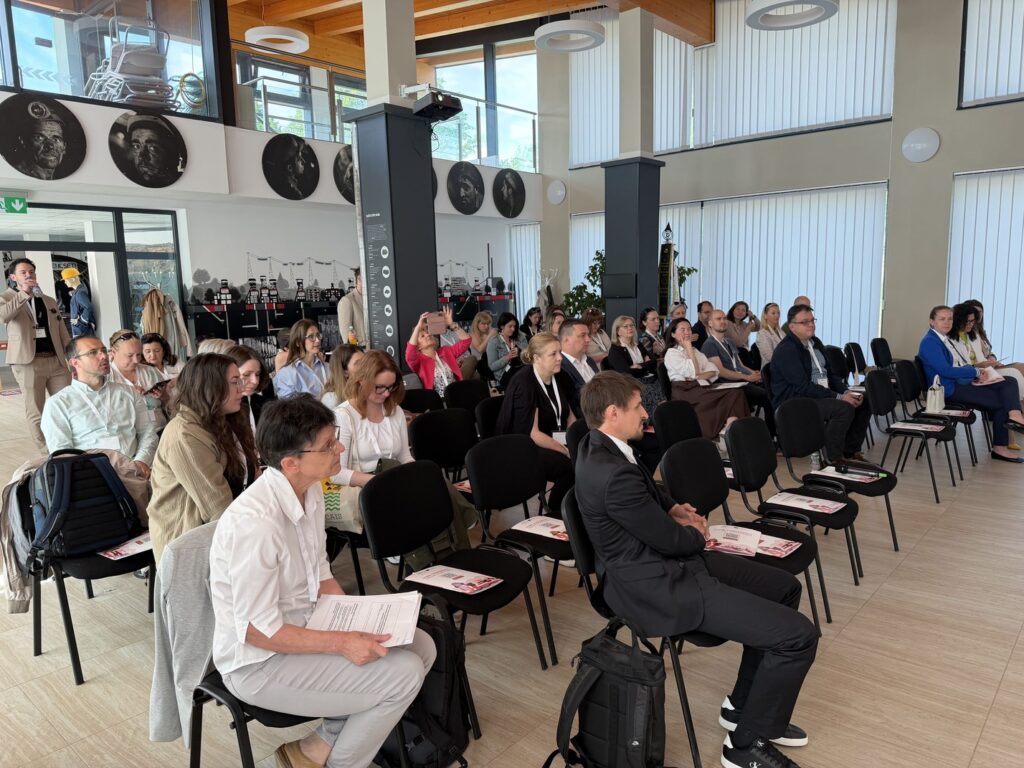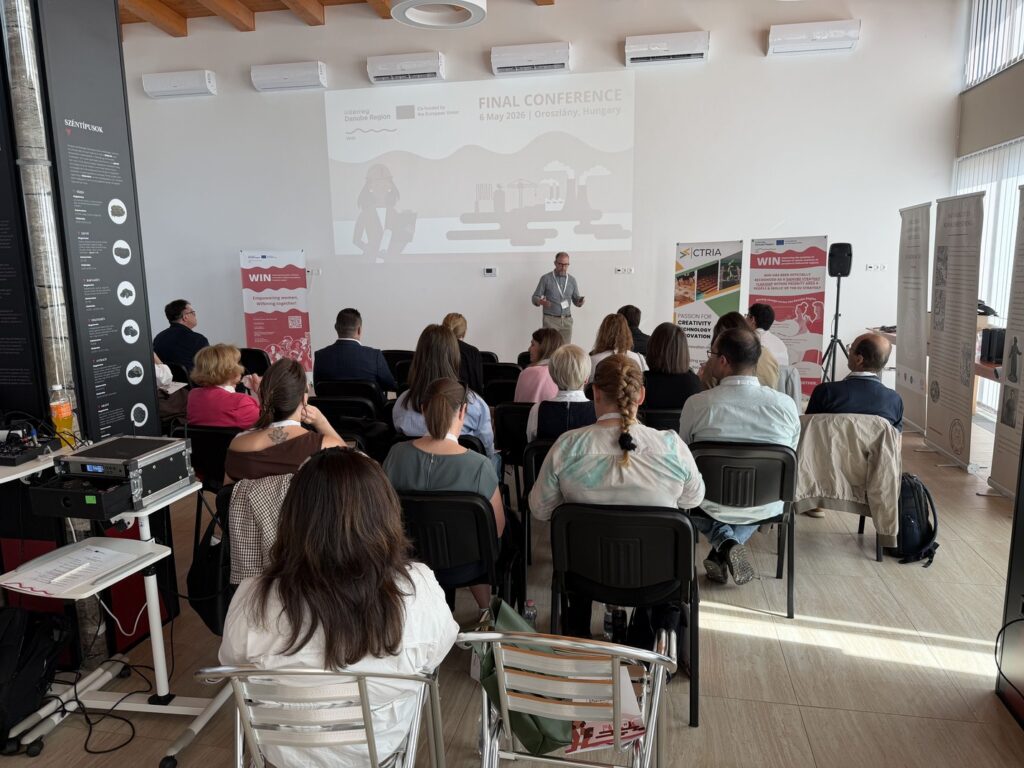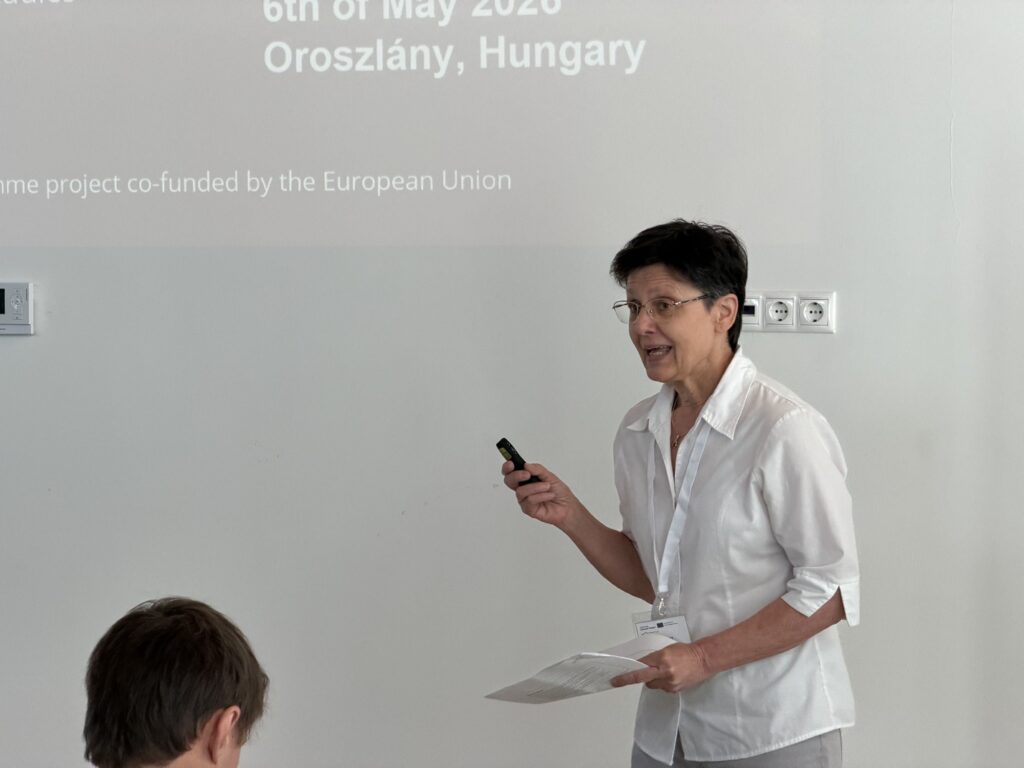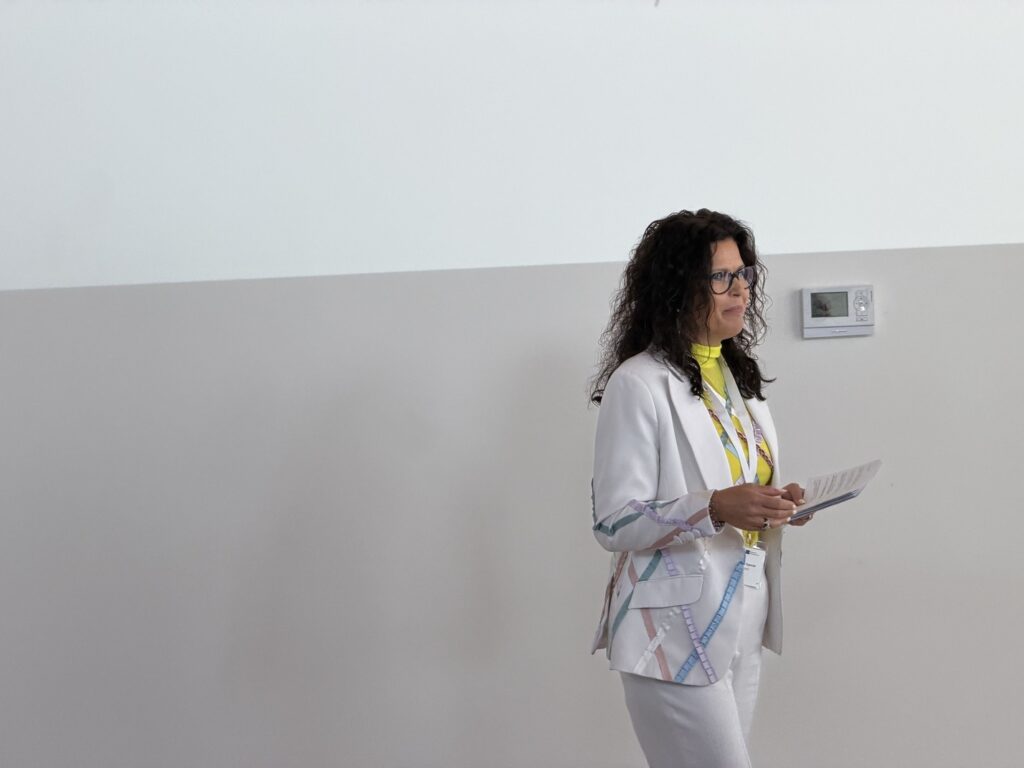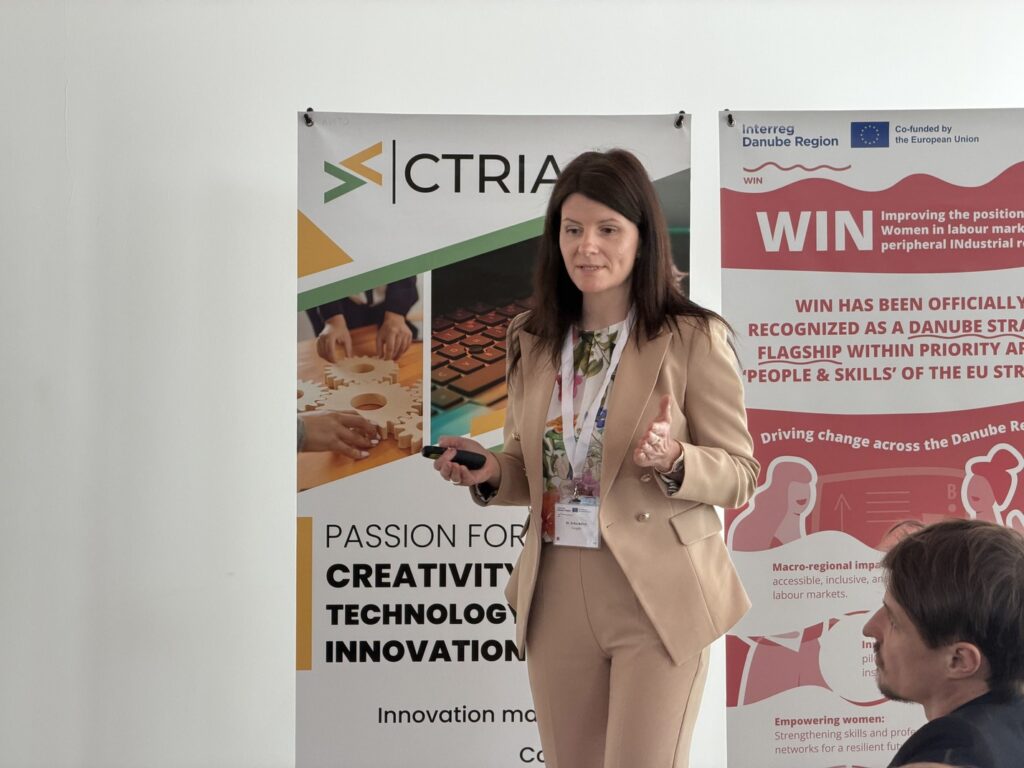


At the Hungarian closing event of the WIN project, international partners, experts, corporate players and local decision-makers sought answers on how to improve women's labour market opportunities in industrial and peripheral regions. The common message of the Oroszlány closing conference, the thematic workshops and the professional programmes in Dorog and Tatabánya was clear: raising awareness is important, but real change can only be brought about by practical solutions that also work at the local level.
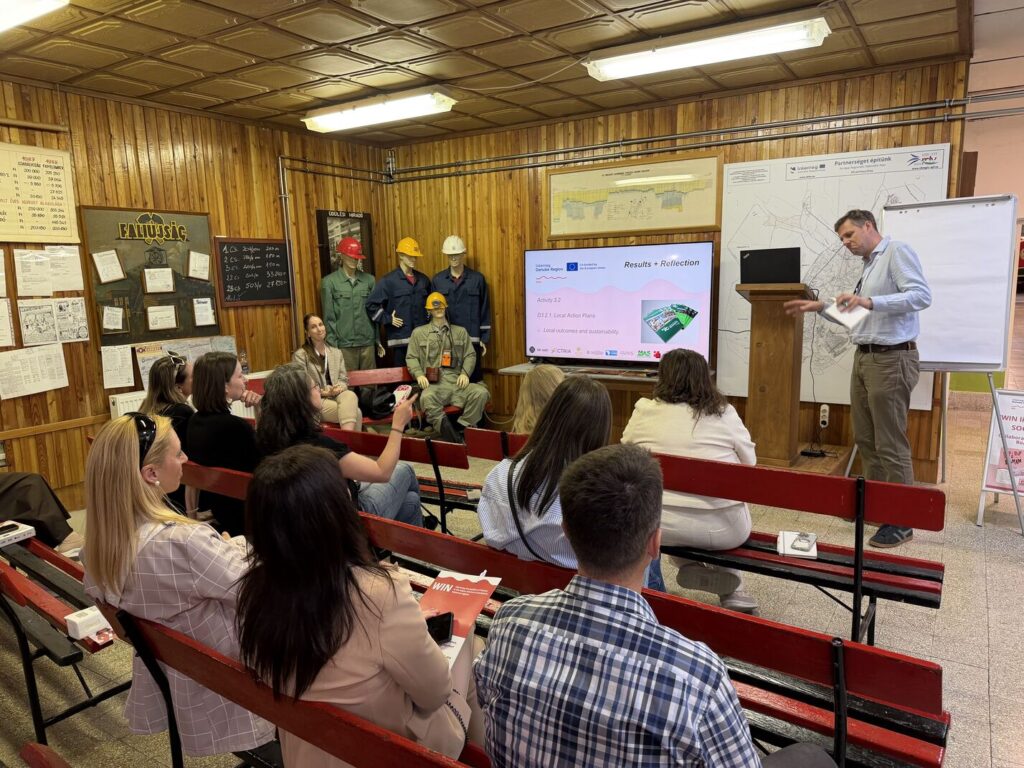
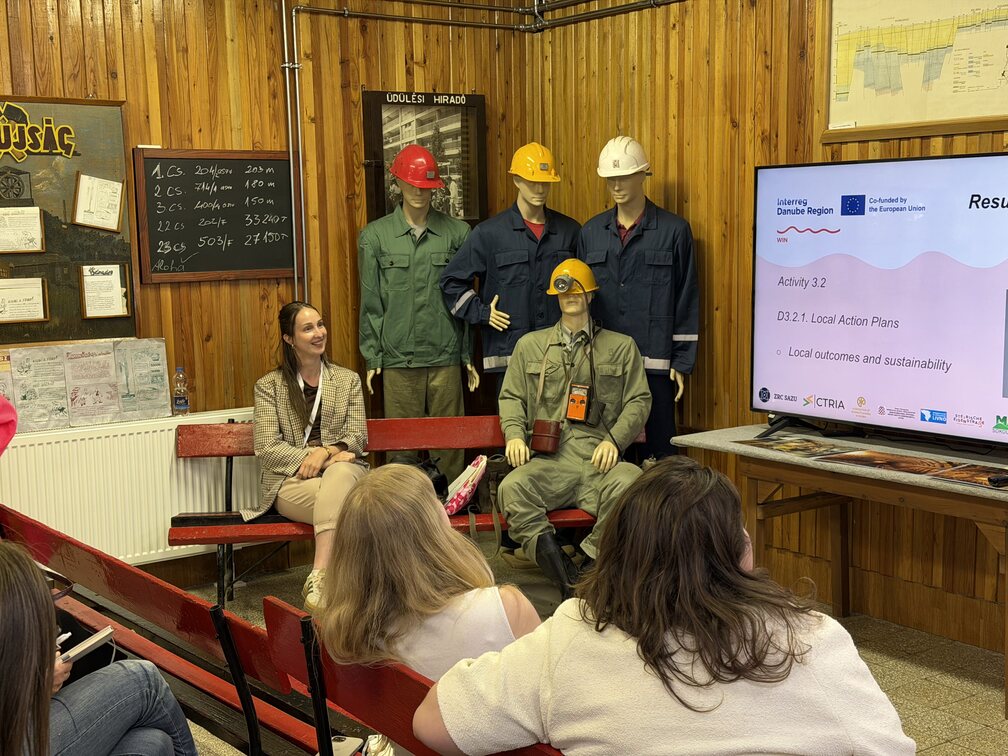
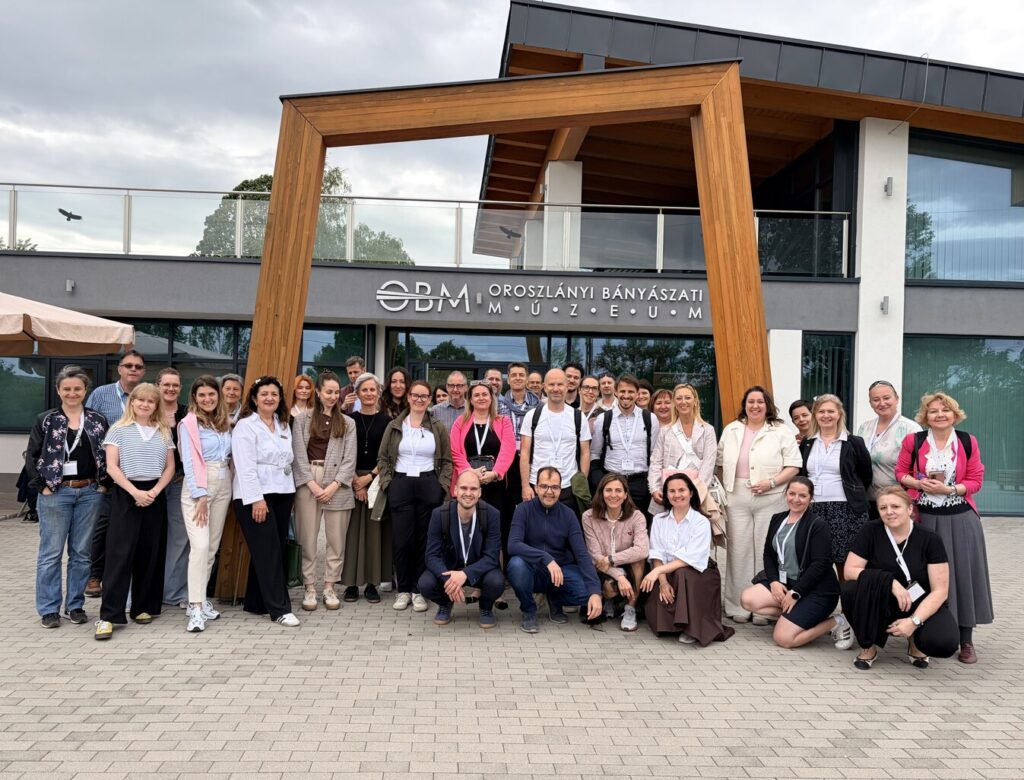
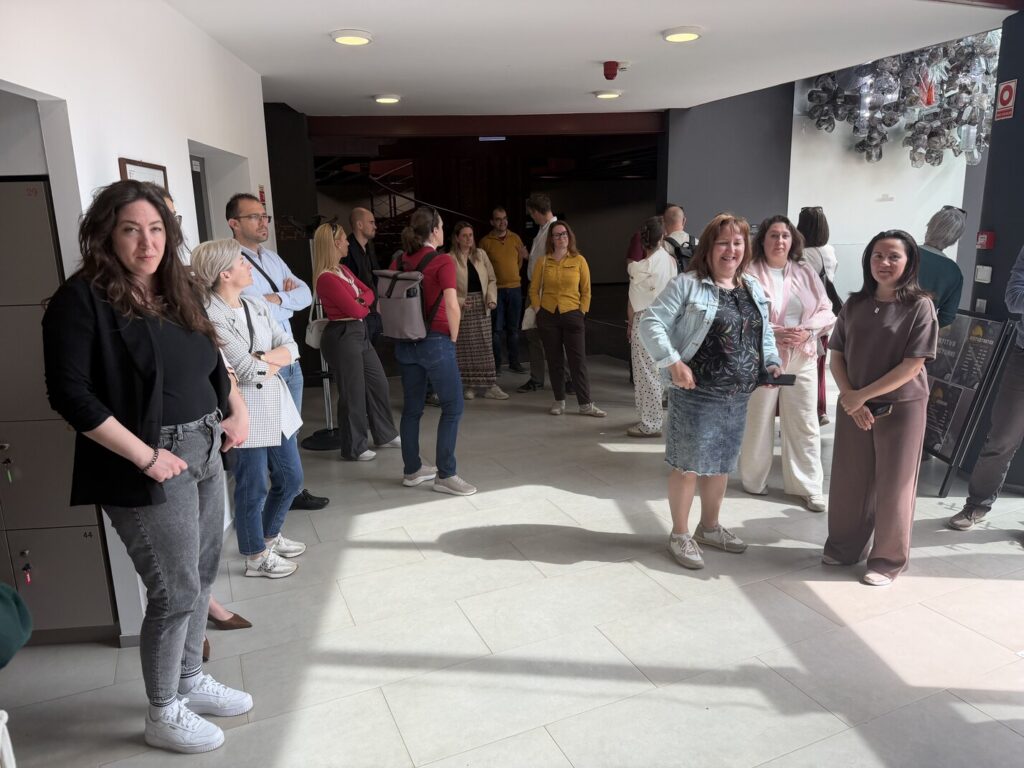
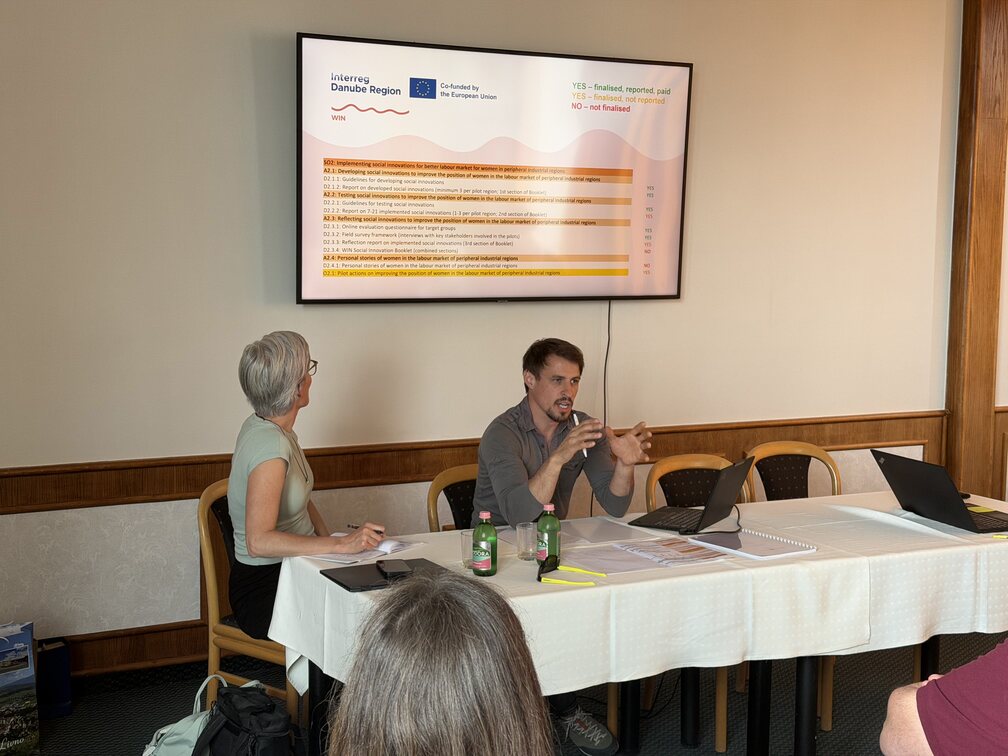
On 6–7 May 2026, Komárom-Esztergom County hosted the Hungarian closing event of the WIN project. The main venue for the programme was the Oroszlány Mining Museum, where international partners, experts, corporate representatives and local stakeholders met to think together about improving women's participation in the labour market, with a particular focus on industrial and peripheral regions.
The WIN project aims to uncover the structural, institutional and social barriers that affect women's labour market opportunities, and to develop practical solutions, social innovations, local action plans and policy recommendations that can support change in the longer term.
In the opening session of the conference, Ákos Szépvölgyi, Managing Director of the Central Transdanubian Regional Innovation Agency, and Jani Kozina, the lead partner of the project, welcomed the participants. The programme also featured a video message from Barbara Willsberger, coordinator of Priority Area 9 – „Investing in People and Skills” of the EU Strategy for the Danube Region.
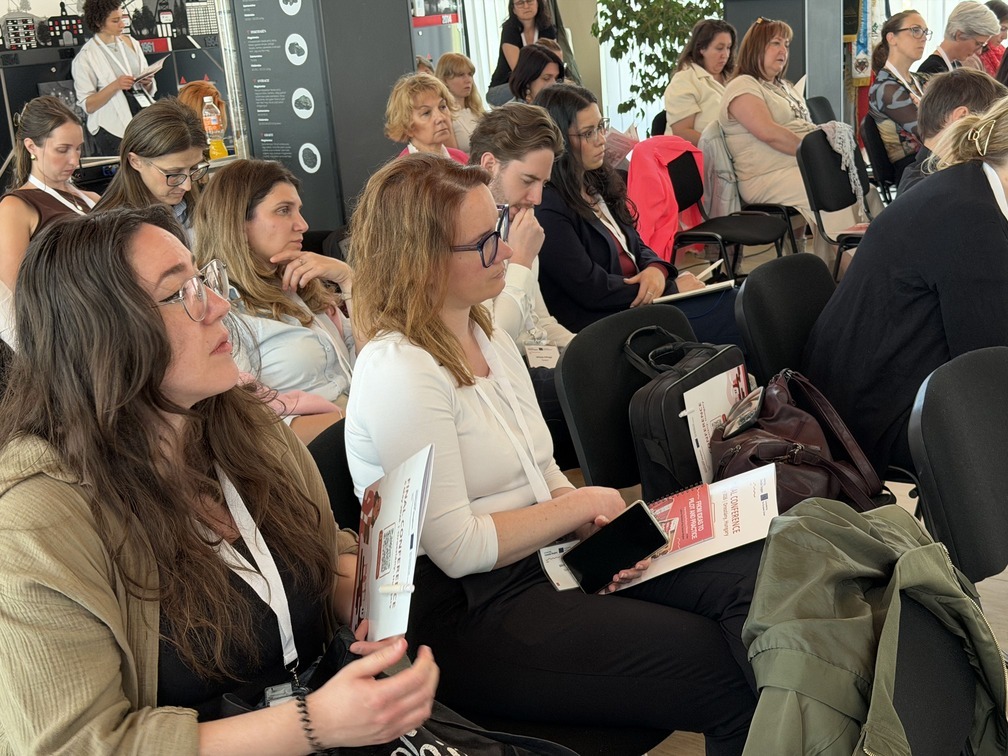
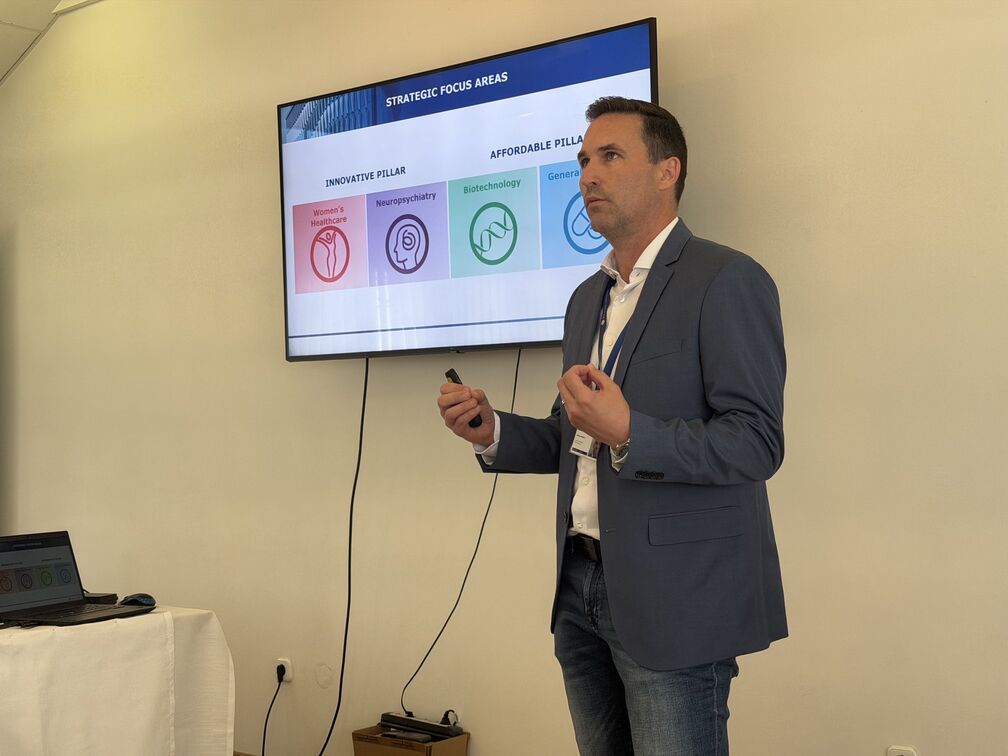
One of the central parts of the professional day is „Beyond good intentions: structural, scientific and corporate perspectives on women's participation in the labour market” entitled keynote section. The presentations examined women's participation in the labour market from multiple perspectives: topics included the structural challenges of industrial regions, leadership and organisational issues appearing in a multinational corporate environment, and the participation of girls and women in STEM fields (Science, Technology, Engineering and Mathematics abbreviation, in Hungarian it refers to the fields of science, technology, engineering and mathematics.
One of the main messages of the conference was that the position of women in the labour market cannot be interpreted solely on the basis of individual decisions, skills or motivation. The structure of the local labour market, transport options, the availability of public services, the division of care duties, workplace culture and societal role expectations all determine the opportunities that open up for women in any given region.
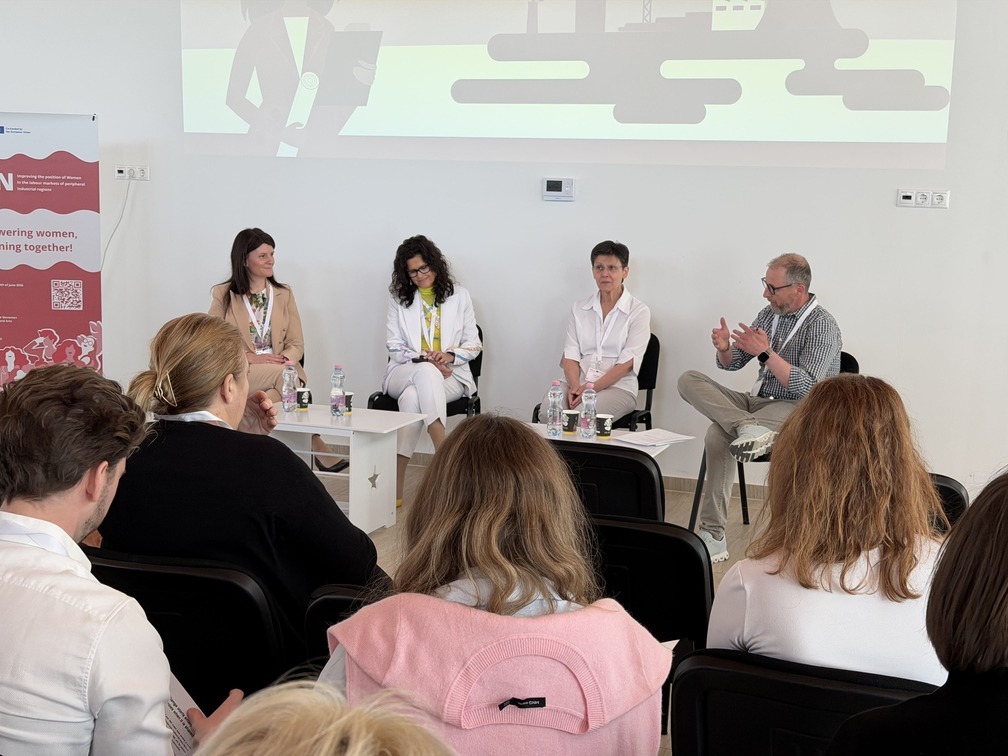
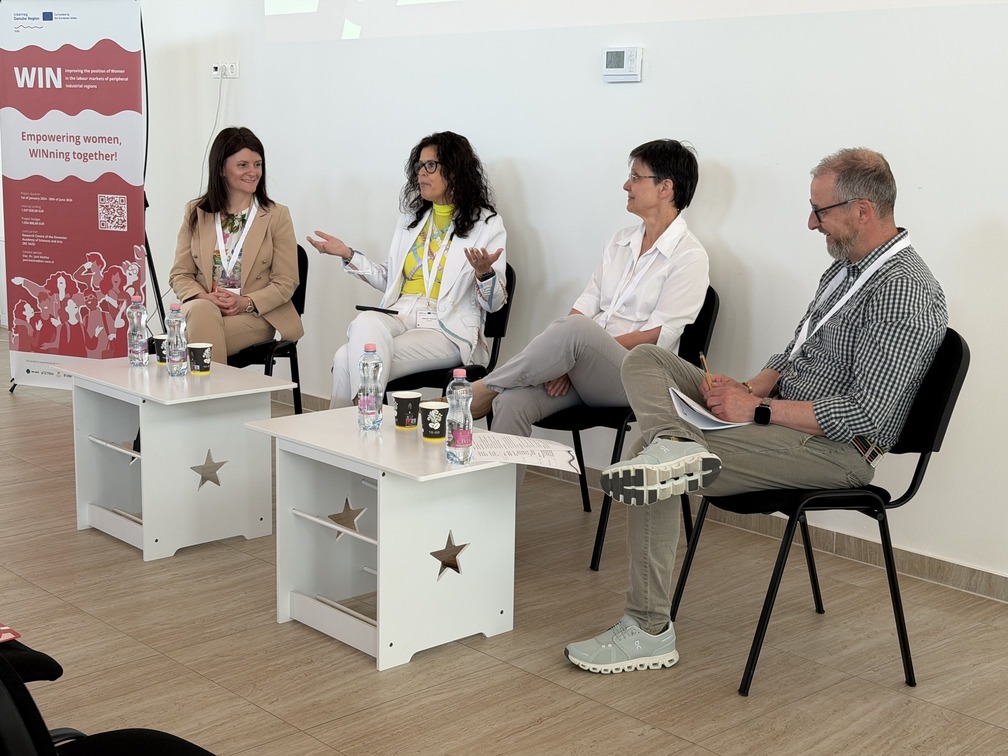
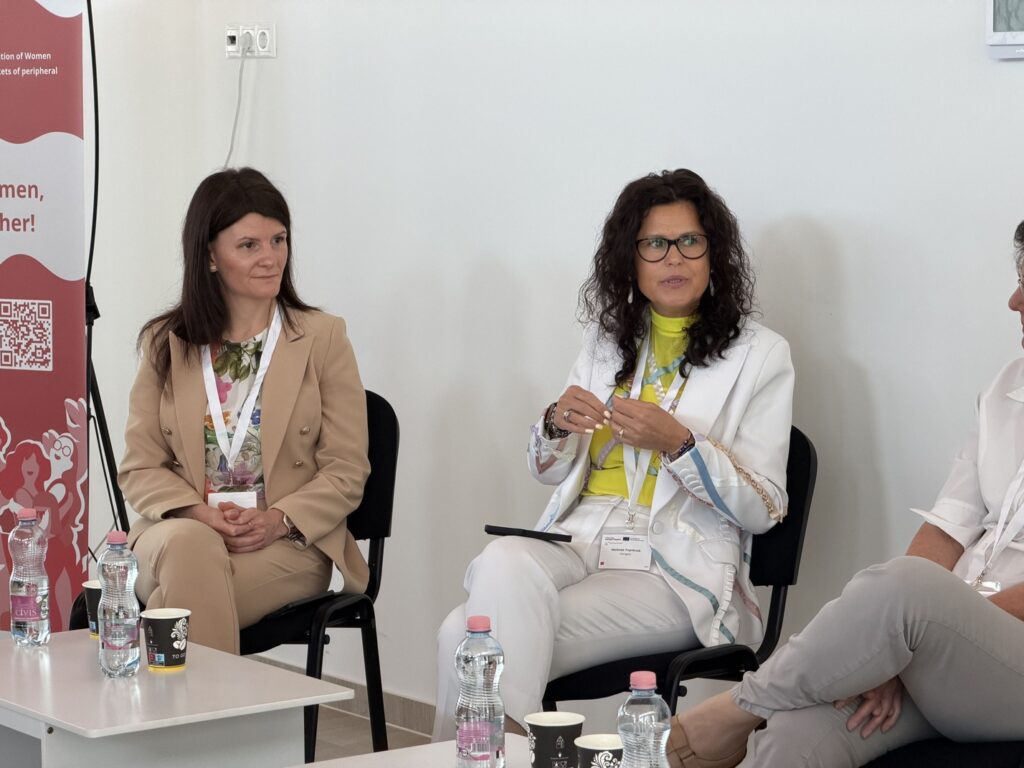
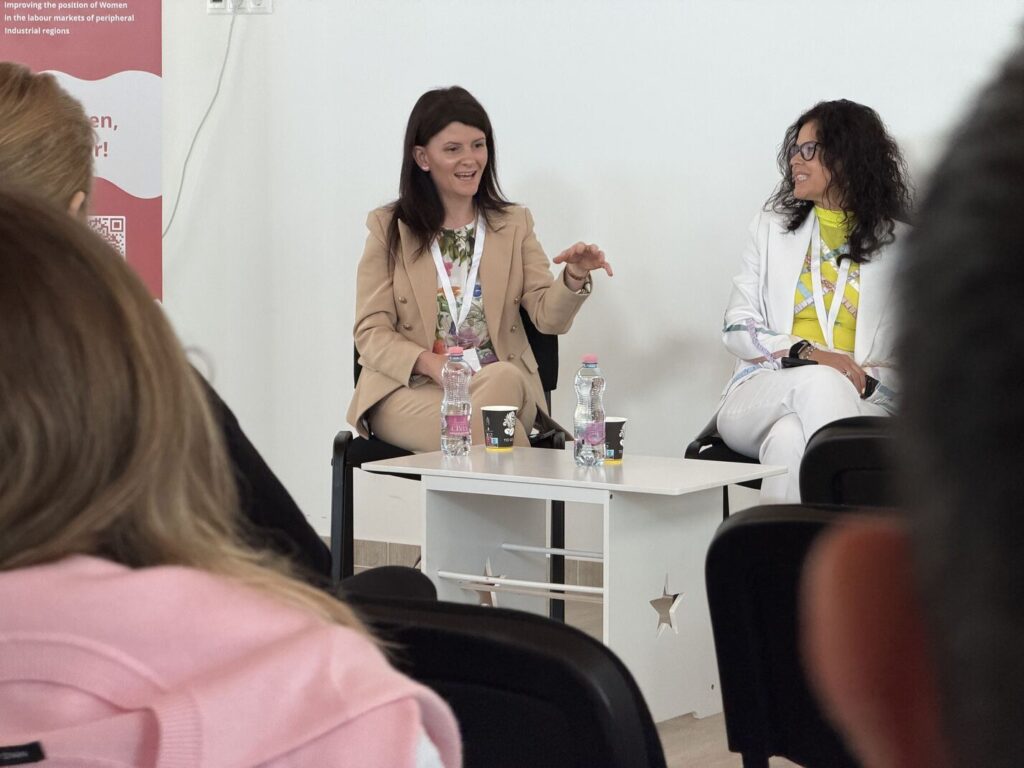
The morning programme was WIN Talk Show followed by a roundtable discussion addressing a provocative question: who is actually hindering women's opportunities in the labour market – and who can unlock them? The discussion brought together perspectives from researchers, corporations and civil society, pointing out that lasting change requires the coordinated effort of multiple actors: businesses, local authorities, educational institutions, civil society organisations, policymakers and local communities alike.
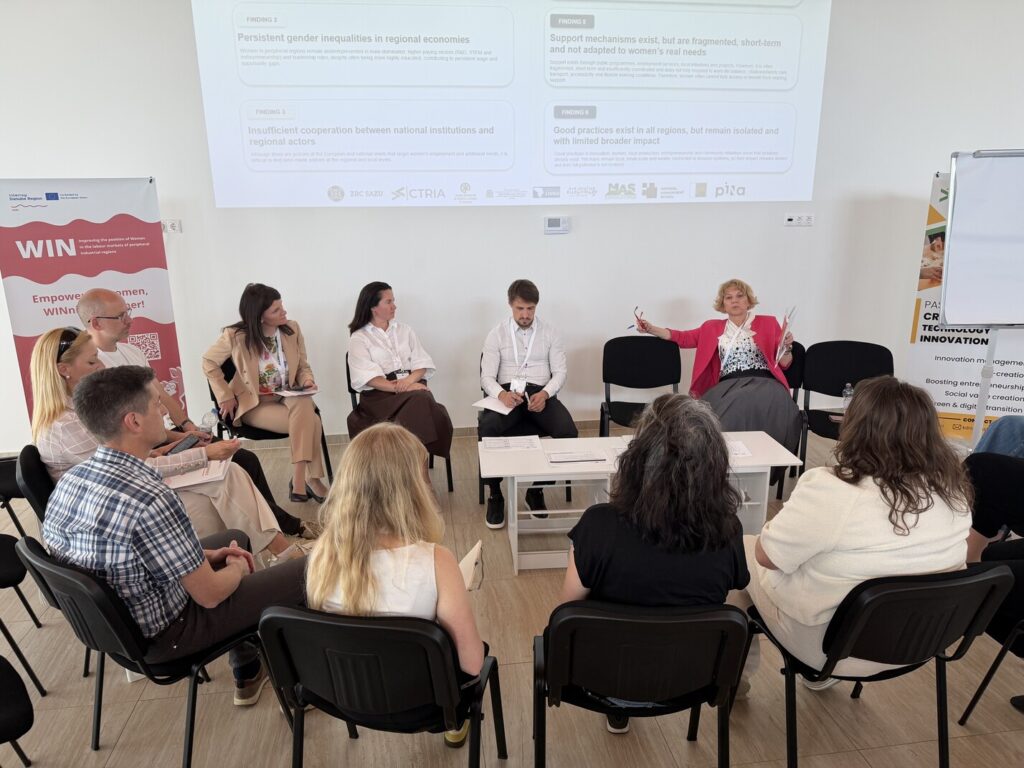
In the afternoon, the participants three thematic WIN Results Lab worked together on the workshop. The workshops focused on women's needs and institutional barriers, social innovations supporting better labour markets, and the skills and capacities necessary for women's participation. The aim of the workshops was to draw concrete, transferable conclusions from the experiences and results gathered during the project.
An important lesson of the WIN project is that good practices already exist in the regions, but these often operate in isolation, are short-term, or are not sufficiently linked to broader institutional systems. Participants therefore highlighted the importance of cooperation, long-term thinking, forms of support adapted to local needs, and better coordination among stakeholders.
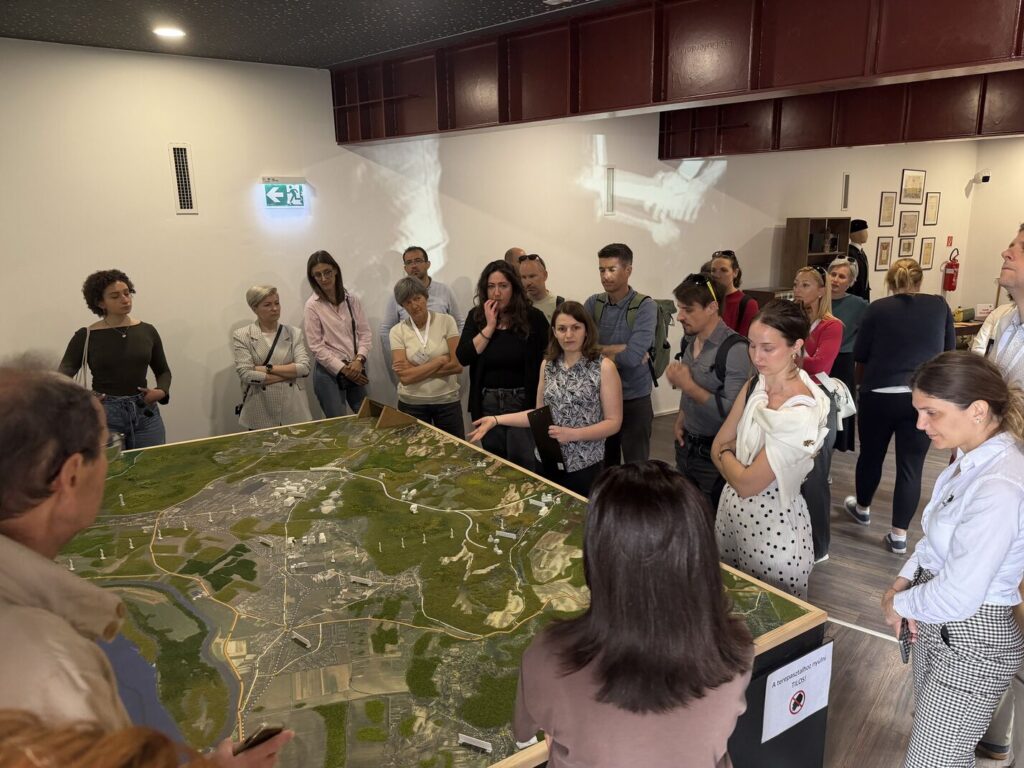
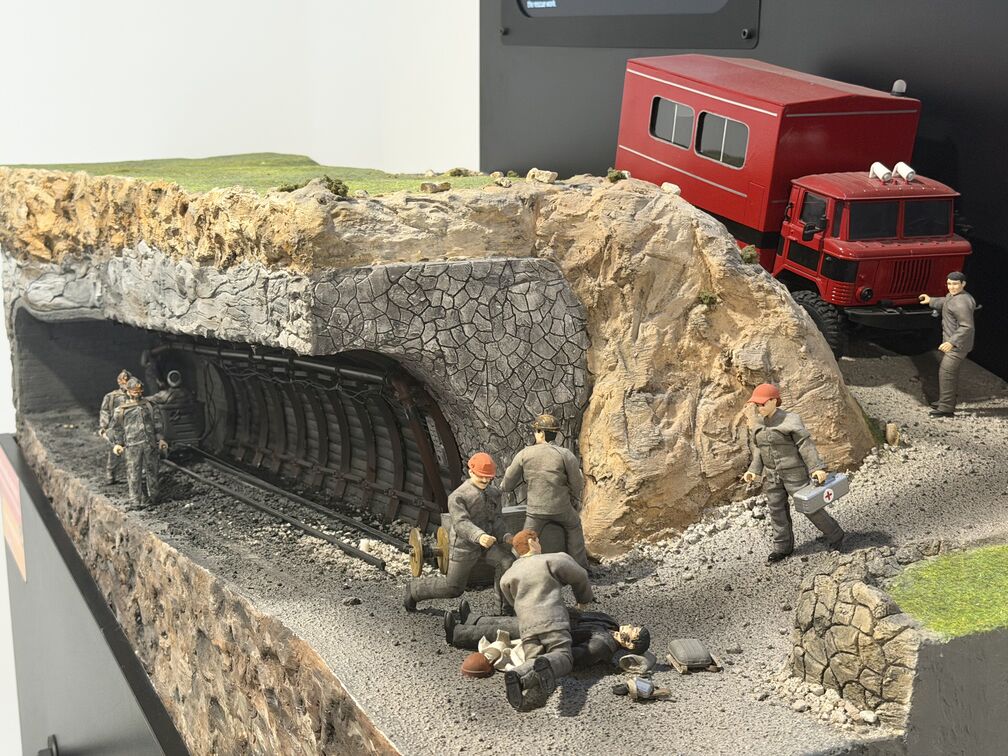
Following the conference, participants took part in a guided tour of the Oroszlány Mining Museum, after which the day concluded with a joint dinner at the Hilltop Wine Estate in Neszmély. On the second day, the international partners participated in a study trip in Dorog, where they could learn about the good practices of Gedeon Richter Plc's Dorog manufacturing plant, and then the two-day programme concluded with a project partner meeting in Tatabánya.
The results of the WIN project extend beyond the scope of the conference. During the project, the partnership has developed, among other things, comparative analyses, a collection of good practices, methodological tools, local and regional action plans, policy recommendations, and social innovation pilots. The common goal of these is to ensure that women's participation in the labour market is not only a more visible topic, but also becomes the basis for concrete local and institutional interventions.
One of the most important messages of the closing event in Hungary can therefore be summarised as follows: raising awareness in itself is not enough. Bringing about change requires practical steps, local cooperation, a supportive workplace and institutional environment, and solutions that respond to women's real-life situations and needs.
The experiences of the WIN project can also be utilised in the future in regional development, labour market cooperation, the dissemination of corporate good practices, and in initiatives aimed at opening up more stable, accessible and supportive labour market opportunities for women living in industrial regions.